

Grip a stick that’s not right for your game, and every pass feels off. Choose the perfect one, and suddenly, you’re dancing past defenders, every shot snapping off the blade with precision. In dek hockey, your stick is your most personal tool, blending with your style, skill, and ambition. So how do you select, and just as importantly, care for the ideal dek hockey stick to keep your performance razor-sharp?
Understanding Dek Hockey Sticks: Materials and Design Essentials
A dek hockey stick is much more than a simple shaft and blade; it’s a finely tuned extension of your playing philosophy.
The Anatomy of a Dek Hockey Stick
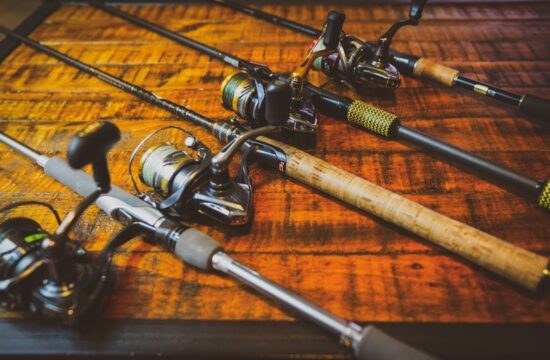
Every stick consists of three key elements: the shaft, the blade, and the grip. The shaft is the backbone, transmitting force and control from your hands. The blade is where finesse turns into action, whether you’re snapping a quick shot or threading a pass. Finally, the grip, sometimes simply the finish of the stick, sometimes a specialized tape job, dictates how connected you feel to your stick during blazing sprints or sudden stops.
Common Materials and Their Impact on Performance
Material makes all the difference between a stick that feels dead and one that sings. Most modern dek hockey sticks use composite materials, such as carbon fiber, fiberglass, and ABS (Acrylonitrile Butadiene Styrene) plastic. Here’s how they compare:
| Material | Key Benefits | Potential Drawbacks |
|—————–|————————————|—————————-|
| Carbon Fiber | Ultra-lightweight, responsive | Higher cost |
| Fiberglass | Affordable, good durability | Slightly heavier |
| ABS Plastic | Superior for outdoor surfaces | Less responsive “feel” |
| Wood | Classic feel, budget-friendly | Heavy, less durable |
High-end sticks like the Dekadence Carbone DK99 Senior go heavy on carbon for speed and snap, while ABS blades, such as those in the Dekadence DK44, handle rougher surfaces with ease, adding longevity.
Stick Flex and Its Importance in Dek Hockey
Flex describes how much a stick bends under pressure. A lower flex number means the stick bends more easily, which is crucial for younger or lighter players seeking maximum power without strain. Higher flex numbers suit stronger players who need stiffer resistance for harder shots.
Match your stick’s flex to your strength. If you’re always pushing the stick past its breaking point, it’s time to go stiffer. Sticks that barely bend, however, sap your shot power and feel disconnected.
Blade Types: Shapes, Curves, and Their Uses
Blade curves come in subtle varieties, open, mid, toe, heel. An open curve lifts shots with ease, perfect for players who thrive on quick-release wristers. A closed curve supports crisp passes and backhand finesse. The blade’s lie (the angle between the blade and shaft) matters too: a higher lie keeps the puck closer to your body, ideal for tight stickhandling.
Choosing the Right Dek Hockey Stick for Your Play Style
Your ideal stick is as unique as your role on the court. What works for a sniper won’t fit a defense-first grinder.
Assessing Your Skill Level and Position
Beginners often benefit from more forgiving, slightly heavier sticks that help develop strength and control. Advanced players might choose ultra-light composite options to elevate agility. Forwards often gravitate toward flexible, quick-release sticks, while defenders might opt for sturdier builds to withstand slashes and deliver hard clears.
Selecting the Appropriate Stick Length and Flex
Stand your stick upright next to you. The blade should rest on the ground while the knob reaches just below your chin in shoes. If you play hunched, trim an inch or two. For flex, use roughly half your body weight as a starting point (a 160-pound player might consider an 80-flex stick), then adjust based on comfort.
Left-Handed vs. Right-Handed Sticks: What to Know
Hand dominance in dek hockey is rarely as simple as your writing hand. Most players find their dominant hand is lower on the stick for maximum control, but comfort trumps tradition. If you’ve played ice or field hockey, your preference likely carries over, but don’t be afraid to experiment.
Brand Comparison: DEKADENCE, LEGEND, LDK, and Knapper
Finding the perfect brand means weighing innovation, tradition, and feel. Here’s a quick rundown:
| Brand | Reputation | Standout Features |
|————|———————-|—————————————————-|
| DEKADENCE | Elite performance | Advanced carbon builds, pro-level precision |
| LEGEND | Balanced design | Versatile options for intermediates and up |
| LDK | Practical durability | Lightweight protection, value-driven builds |
| Knapper | Comfort/fit focus | Anatomical handles, specific player-fit options |
Some elite players swear by the Liquida Sport DEK hockey stick for its blend of lightweight agility and durability, making it a strong choice for those who refuse to compromise on quality or speed.
Maintaining Your Dek Hockey Stick for Longevity and Performance
A stick is an investment in your game. Regular upkeep isn’t just smart, it’s essential.
Proper Cleaning and Storage Techniques
After every game or practice, wipe down your stick with a dry cloth to remove dust, sweat, and debris. For outdoor play, avoid leaving your stick in extreme heat or cold, as this can warp the shaft or weaken the glue. Store it upright, blade off the floor, to prevent warping.
Identifying and Repairing Common Damage
Look out for cracks, splinters, or soft spots in the blade and shaft. Minor chips can be sanded and retaped, but deep cracks in composite or ABS sticks generally mean it’s time for a replacement.
When to Replace Your Stick: Signs and Timing
If your stick loses its pop, bends too easily, or the blade feels “mushy,” it’s past its prime. Most serious players rotate sticks, so you always have a backup ready. When in doubt, err on the side of caution, a compromised stick can fail at the worst moment.
Accessories and Upgrades to Enhance Stick Performance
Grip tape, end plugs, and weighted training attachments all help tailor your stick feel. Experiment with knob styles and blade tapes to find your ideal combination of grip and release.
Complementary Gear and Its Role in Optimal Dek Hockey Performance
Perfecting your stick game is just one part of excelling on the dek. The right gear amplifies every movement, keeps you safer, and lets you focus on winning.
Essential Protective Gear to Pair With Your Stick
Lightweight shin guards, padded gloves, and fitted helmets are non-negotiable. Brands like LDK and DEKADENCE offer integrated protection without the bulk, so your movement stays fluid and your confidence high.
Gloves and Grip: Enhancing Control and Comfort
Premium gloves do more than protect, they connect you to your stick. Look for options with reinforced palms and breathable mesh, like the Knapper H4 and LDK HP7, for a combination of maneuverability and sweat control.
Shin Guards and Leg Warmers: Mobility Meets Protection
The pace of dek hockey punishes unprotected legs. Ultra-light shin guards and anatomical leg warmers (think Knapper AK5 or LDK HP1) fend off stray sticks and errant balls, keeping you agile and fearless in traffic.
Helmets and Bags: Completing Your Equipment Setup
Head injuries can end careers before they start. A lightweight, well-vented helmet like the DEK LDK HP1 offers pro-level protection without sacrificing comfort. And never overlook your bag, a well-organized gear bag keeps everything ready for your next session, ensuring you hit the dek focused and prepared.
The difference between winning and lagging behind often comes down to equipment choices and how well you care for them. Whether you’re chasing your first goal or pushing for elite status, selecting and maintaining the right dek hockey stick, along with the perfect gear to match, lets your skills shine every time you hit the surface.